A journey beyond the imaginable
The heaviest light
in the
universe.
A black hole with the mass of ~40.7 billion Suns.[2]
An invitation to put everything in
perspective.
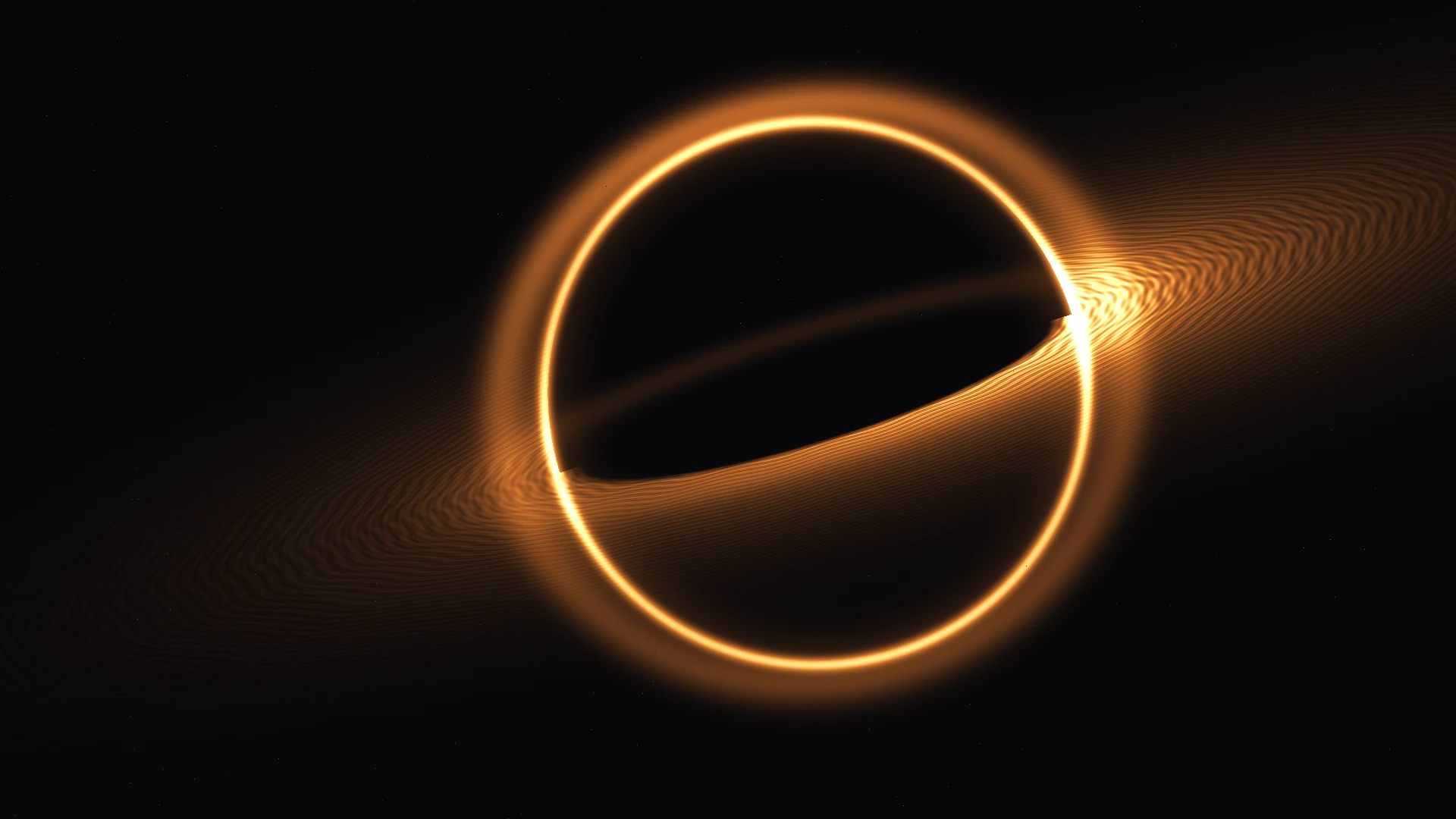
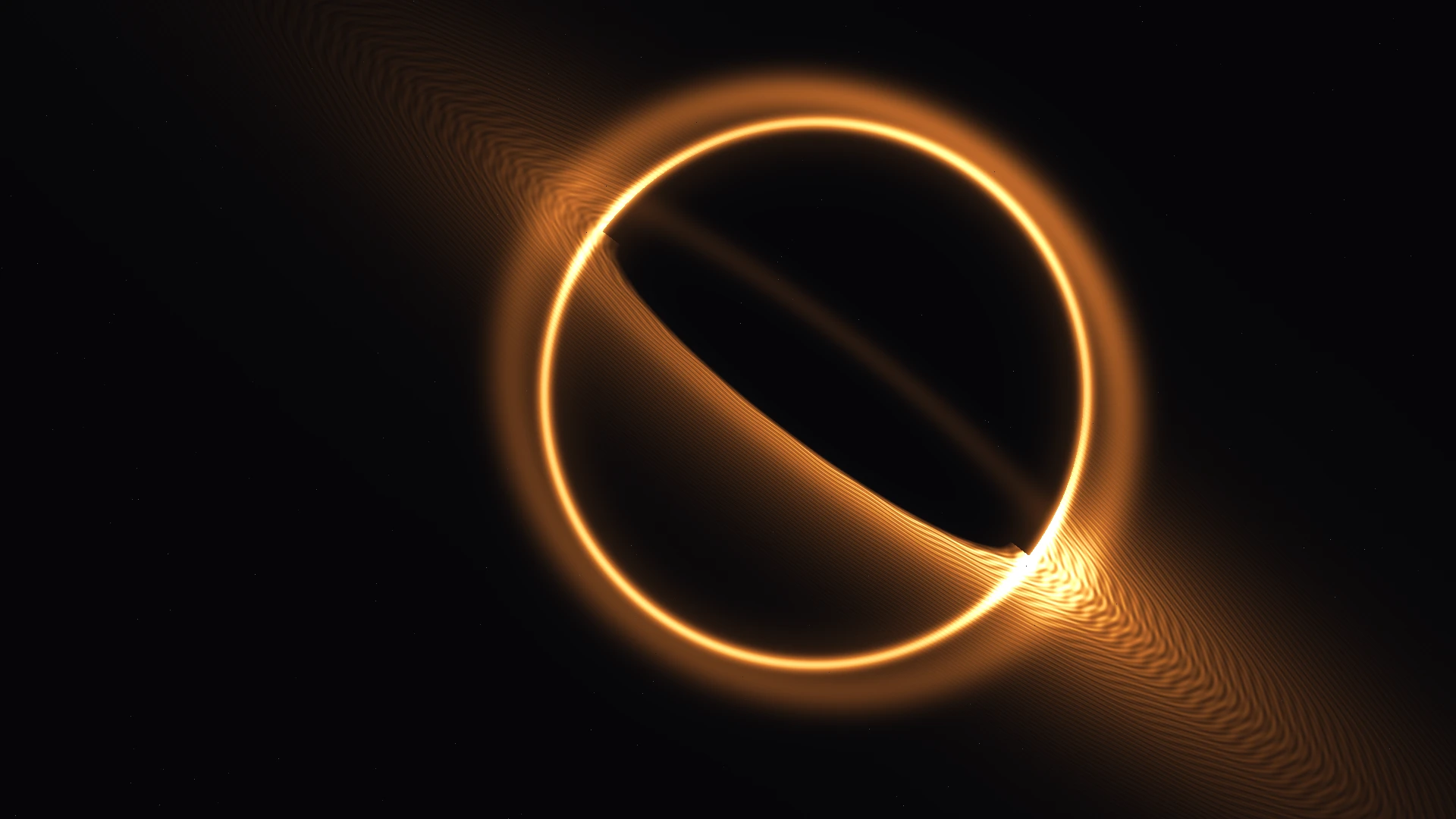
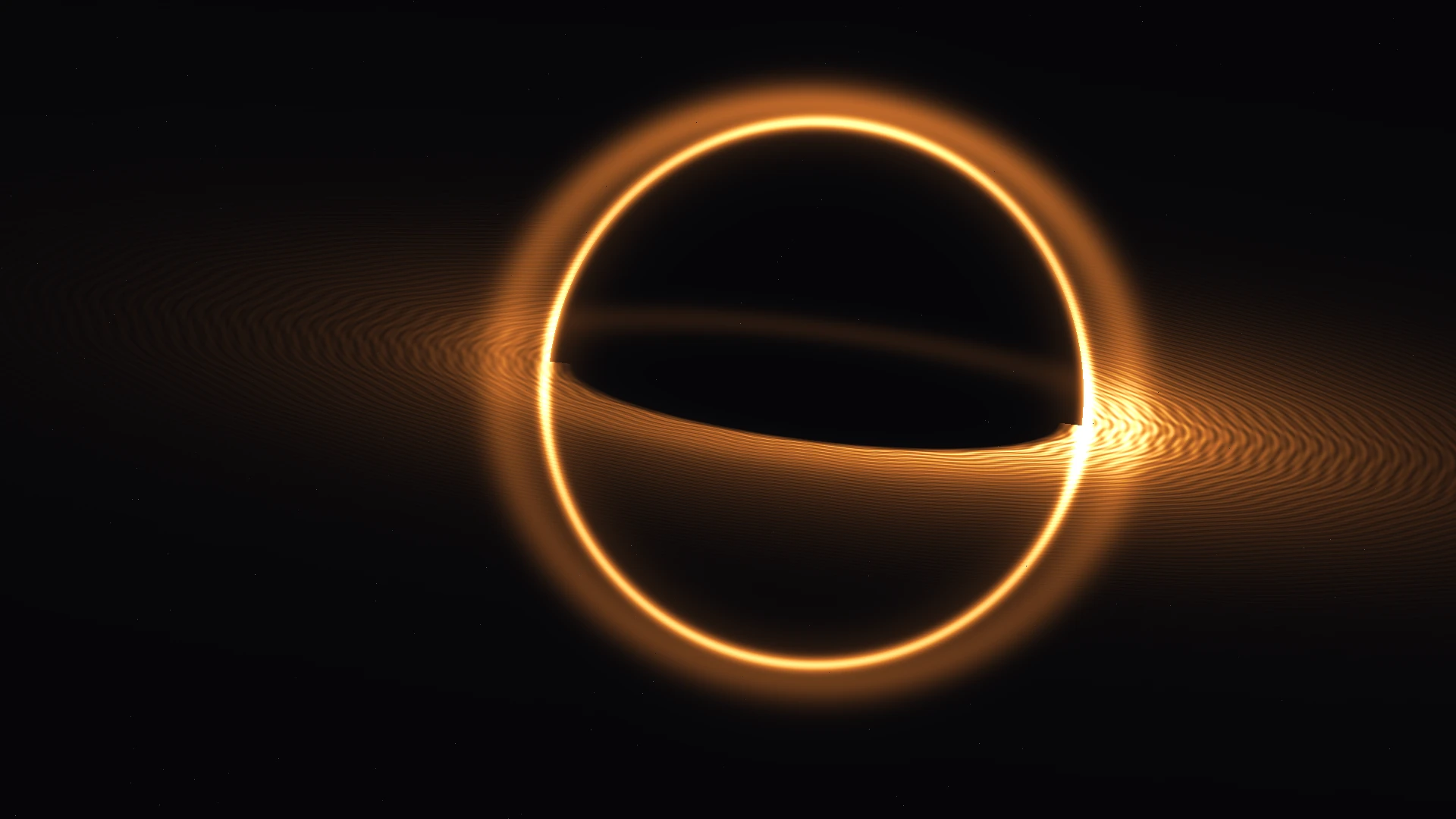
◌ Simulation — artistic rendering, not an image of TON 618.
Begin the journeyAlmost impossible
to
comprehend.
TON 618 is a quasar: a brilliant galactic centre powered by matter falling toward a black hole. The light comes from its surroundings, not from within the event horizon.[5][2]
Its extraordinary estimated mass puts familiar scales far behind us. The number is an inference, with a story—and uncertainties—behind it.[2][3]
Get to know TON 618A new frame of reference
Your sense of scale
ends here.
From our star to the boundary of an ultra-massive black hole. Move through the comparison and let the numbers become something you can see.
Diagram uses compressed spacing. The interactive view uses true relative diameters.
Find your perspectiveWhy look this far?
The universe is under
no obligation to
feel familiar.
Extreme objects give us a place to test our ideas about gravity, growth and cosmic history. TON 618 invites a better question than “how big?”: how did it get there?[13]
Follow the science